South Korea on Wednesday began requiring gyms, nightclubs, karaoke bars and concert halls to register visitors through smartphone QR codes, in the country’s latest effort to fight a new wave of coronavirus infections linked to entertainment venues.
Until now, these facilities have mostly asked their customers to write down their identities and contact information in rosters before entering. But when the authorities tried to track down customers after the new infections began cropping up last month, they found that much of the information was fake.
Under the new system, nightclubs and other facilities must install QR scanners, and customers must download a QR code that contains their basic personal information. Any QR codes that the government collects are to be automatically destroyed after four weeks.
South Korea’s project is just the latest effort worldwide to harness common consumer technology to track new cases. But privacy concerns have made the approach slower to catch on in the United States and Britain. And in China, the government’s virus-tracking software has prompted fears that it will randomly collect citizens’ information in the name of disease prevention.
There has not yet been a significant public debate over South Korea’s new QR code tracking system, although that may come as the government rolls it out.
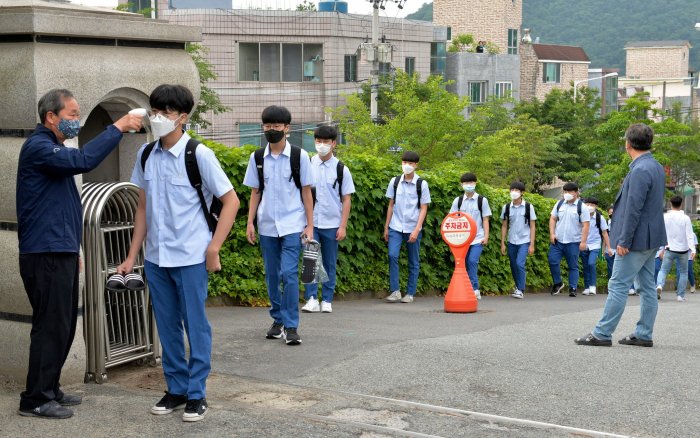
Since last month, South Korea has eased its social-distancing restrictions, saying it was confident in its virus-containment strategy. But it has also urged the people to stick to preventive measures, and acknowledged that its goal is to keep the daily caseload below 50 until a vaccine is available.
South Korea’s daily caseload has fluctuated between 38 and 57 over the past week, and the country reported 50 new cases on Wednesday.
New York Times
More about: SouthKorea


-1780923278.jpg&h=190&w=280&zc=1&q=100)