Stepan Shaumian, an ethnic Armenian appointed as the Commissar Extraordinary for the Caucasus by Vladimir Lenin, head of the Russian Bolsheviks, admitted that 6,000 armed soldiers of the Baku Soviet and 4,000 from the Dashnaksutyun, or the Armenian Revolutionary Federation party, participated in the massacres against the Azerbaijani people, the ministry added.
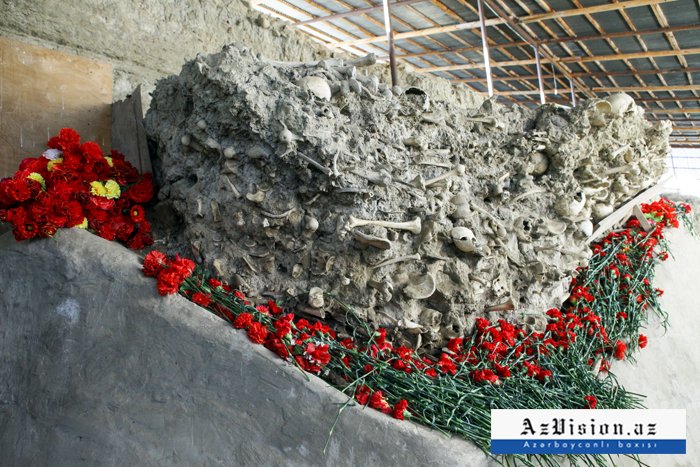
"March massacres of 1918 were well prepared and ruthlessly implemented act by radical nationalist Armenians against Azerbaijanis on the grounds of racial discrimination and ethnic cleansing."
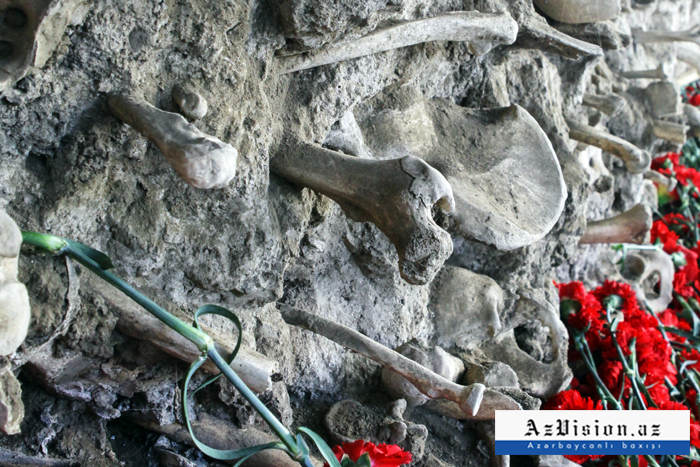
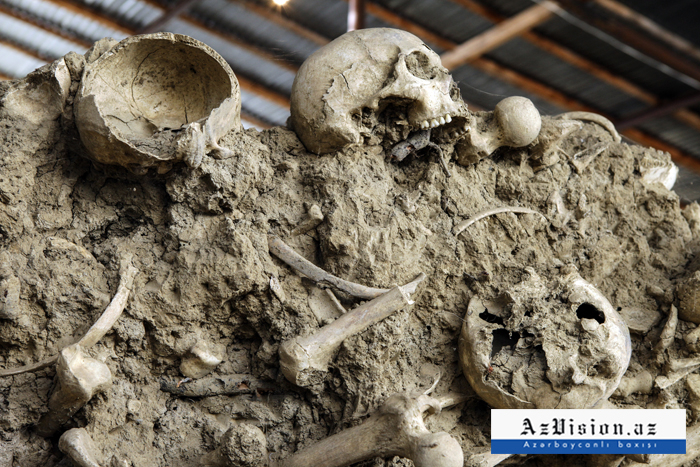
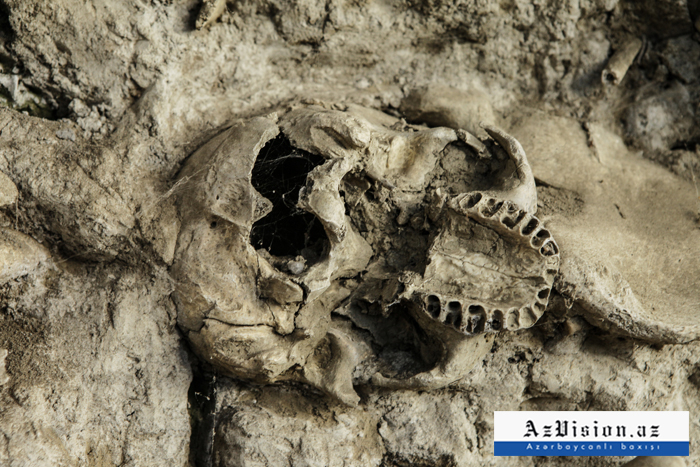
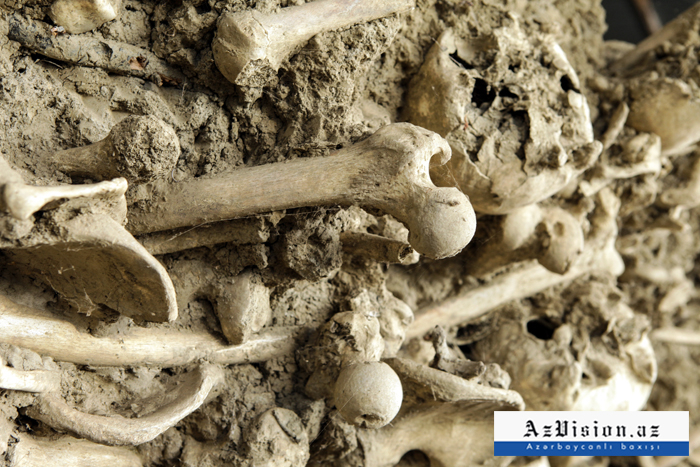
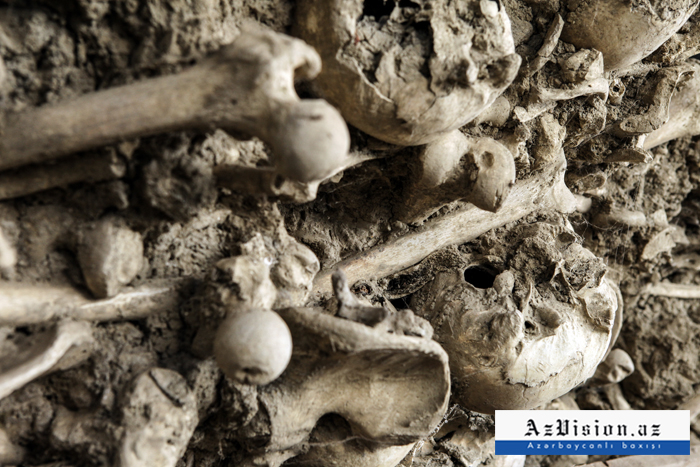
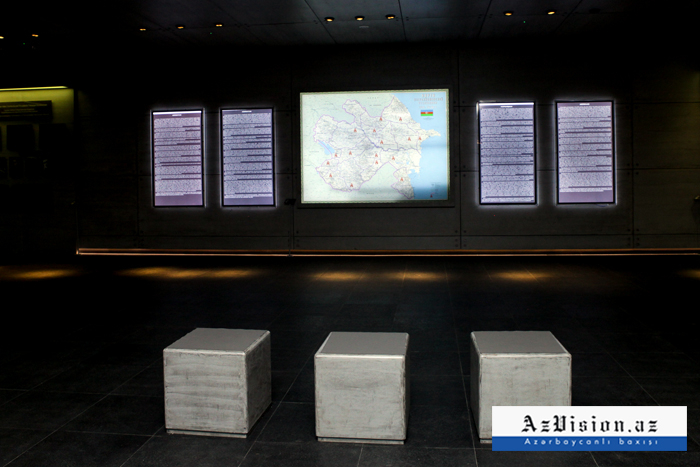
The genocide carried out against the Azerbaijanis along with Baku also covered many other regions, including Shamakhi, Guba, Lenkaran, Salyan, Iravan, Zangezur, Garabagh and Nakhchivan.
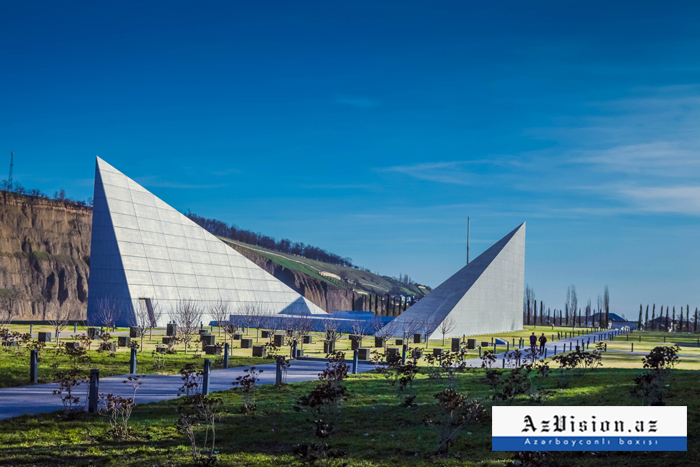
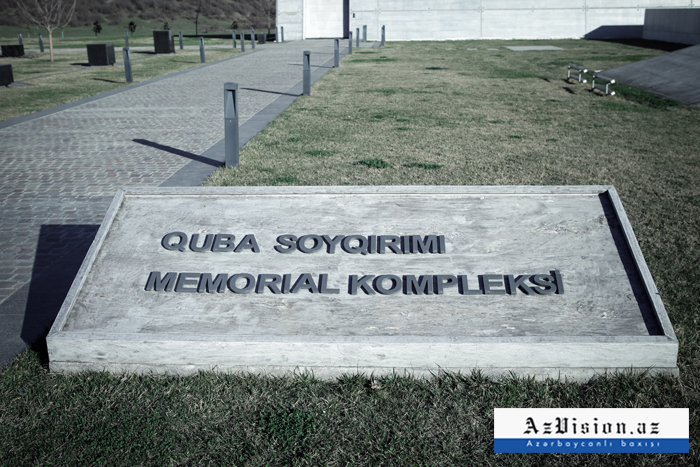
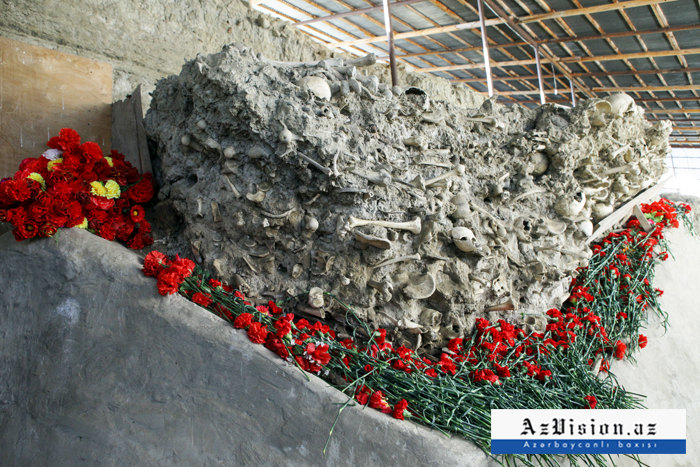
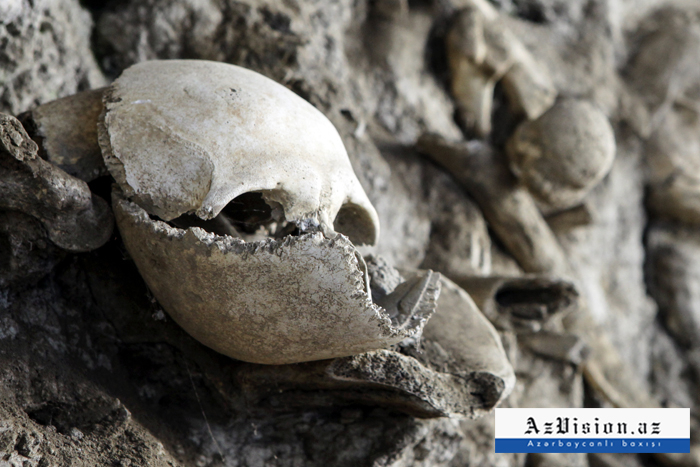
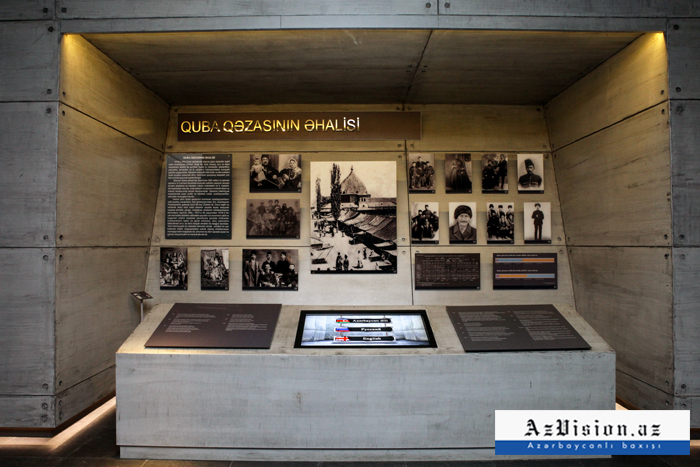
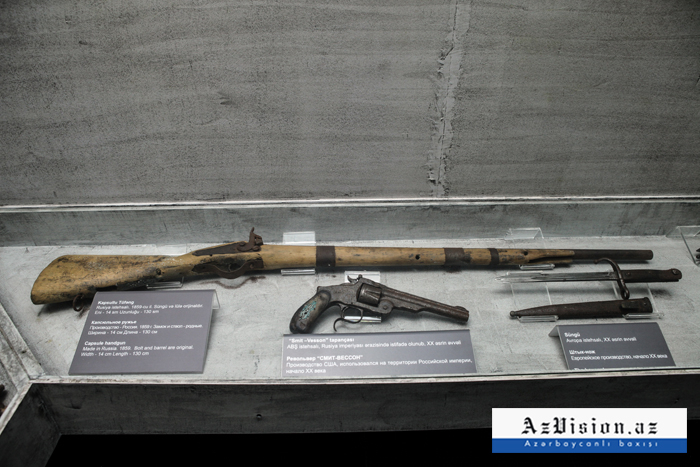
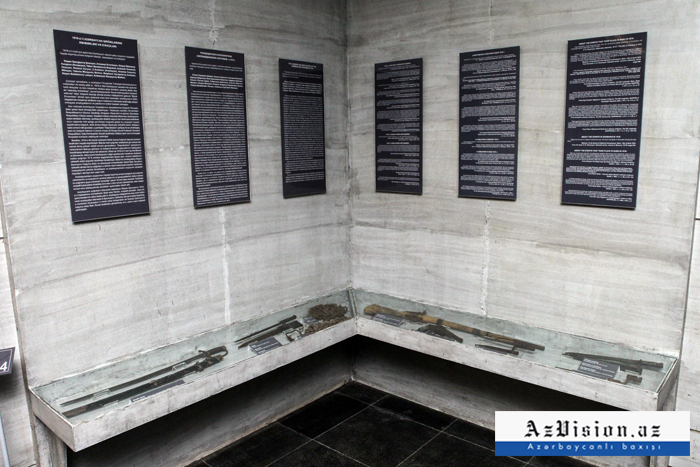
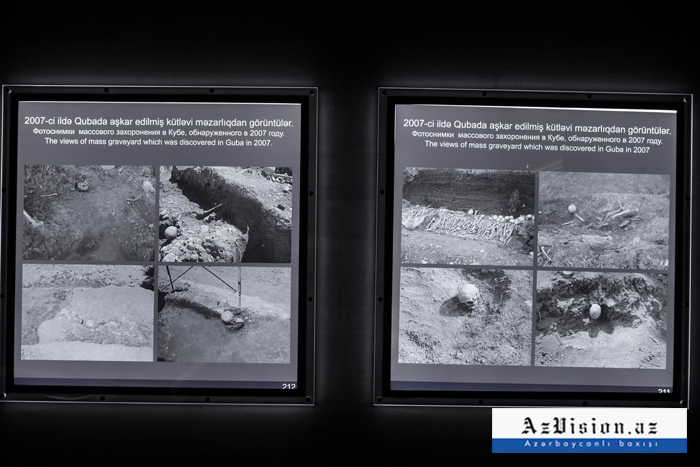
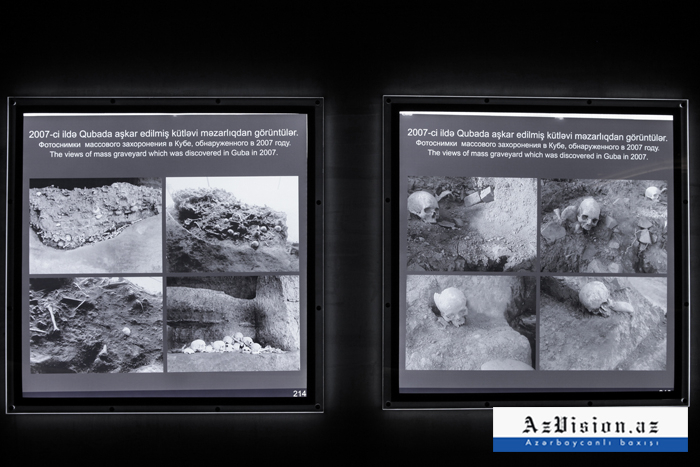
"During the first five months of 1918, more than 16,000 people were murdered with utmost cruelty in Guba province alone; a total of 167 villages were destroyed, 35 of which do not exist to this day. The Armenians also slaughtered local Jews and Lezghis living in Guba," it said.
After the establishment of the Azerbaijani Democratic Republic, also known as the Azerbaijan People's Republic, in 1918, the government formed the Extraordinary Investigation Commission to investigate the serious crimes perpetrated by Armenians.
In 1919 and 1920, Azerbaijan Democratic Republic commemorated March 31 as a national day of mourning, which was the first attempt to give the political recognition to the genocide perpetrated against Azerbaijanis.
The Commission comprised of the best lawyers of that time representing different nationalities -- Russians, Jewish, Polish, Georgians, and even Armenians, based on the evidence launched criminal cases against 194 individuals accused of different crimes against the peaceful population, and, as a result, 24 individuals in Baku and about 100 individuals in Shamakhi region had been arrested for perpetrated crimes.
However, the process had been halted after the Azerbaijani Democratic Republic was toppled after almost two years by the Soviet Union, and the full investigation of the tragic events and its political and legal assessment had been prevented.
Although many years passed, that bloodshed has not been forgotten, and after the restoration of Azerbaijan's independence in 1991, then Azerbaijani President Heydar Aliyev declared March 31 as the Day of Genocide of Azerbaijanis which is marked every year in the country at the state level.




More about:


-1780923278.jpg&h=190&w=280&zc=1&q=100)