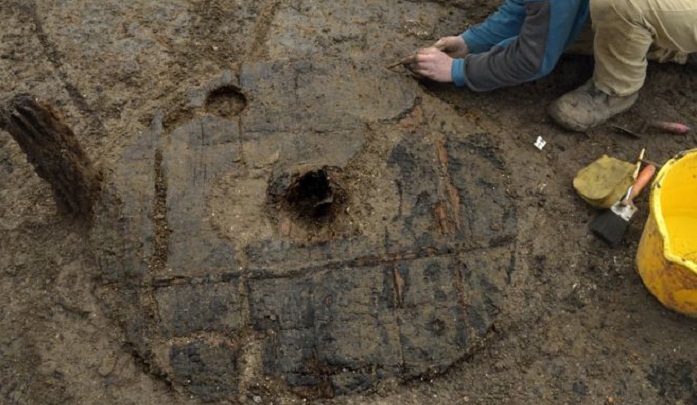
Archaeologists have described the find - made close to the country`s "best-preserved Bronze Age dwellings" - as "unprecedented".
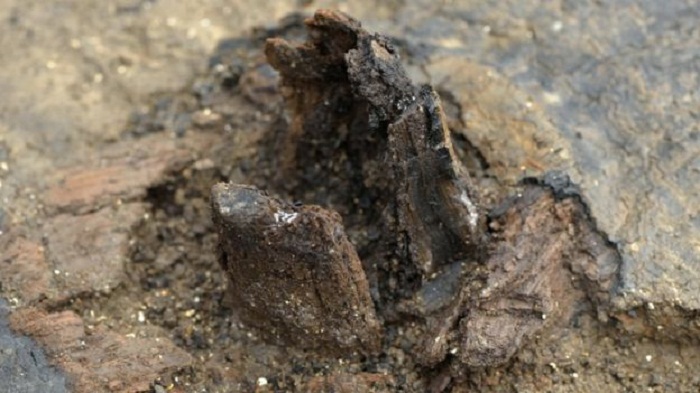
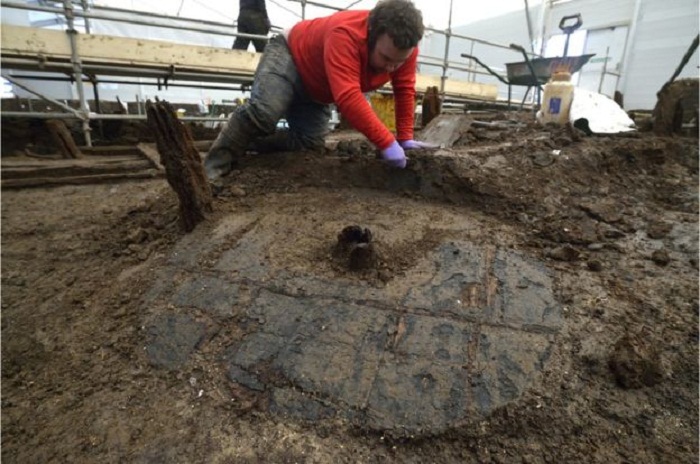
Still containing its hub, the 3ft-diameter (one metre) wooden wheel dates from about 1,100 to 800 BC.
The wheel was found close to the largest of the roundhouses.
Its discovery "demonstrates the inhabitants of this watery landscape`s links to the dry land beyond the river", David Gibson from Cambridge Archaeological Unit, which is leading the excavation, said.
Historic England, which is jointly funding the £1.1m excavation with landowner Forterra, described the find as "unprecedented in terms of size and completeness".
"This remarkable but fragile wooden wheel is the earliest complete example ever found in Britain," chief executive Duncan Wilson said.
"The existence of this wheel expands our understanding of Late Bronze Age technology, and the level of sophistication of the lives of people living on the edge of the Fens 3,000 years ago."
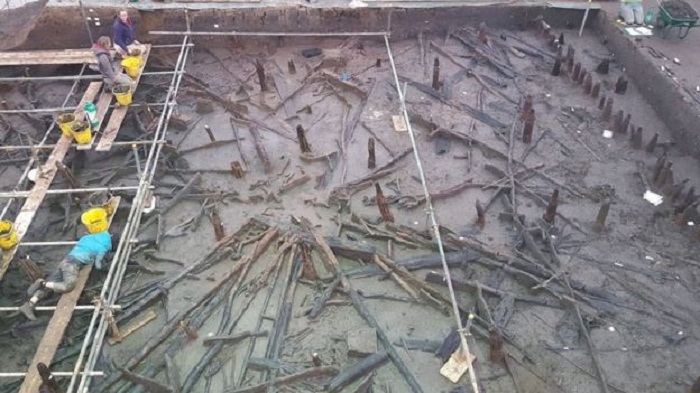
The dig site, at Must Farm quarry near Whittlesey, Cambridgeshire has been described as "unique" by Mr Gibson.
It has proved to be a treasure trove for archaeologists who earlier this year uncovered two or possibly three roundhouses dating from about 1,000-800 BC.
The timbers had been preserved in silt after falling into a river during a fire.
Kasia Gdaniec, senior archaeologist at the county council, said the "fabulous artefacts" found at the site continued to "amaze and astonish".
"This wheel poses a challenge to our understanding of both Late Bronze Age technological skill and - together with the eight boats recovered from the same river in 2011 - transportation," she said.
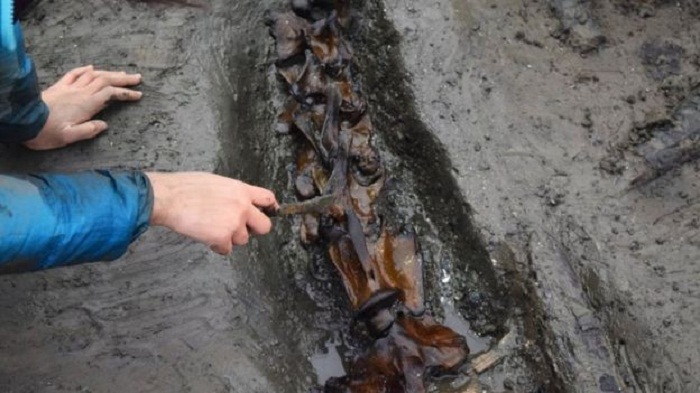
The spine of what is thought to be a horse, found in early January, could suggest the wheel belonged to a horse-drawn cart, however, it is too early to know how the wheel was used, archaeologist Chris Wakefield said.
While the Must Farm wheel is the most complete, it is not the oldest to be discovered in the area. An excavation at a Bronze Age site at Flag Fen near Peterborough uncovered a smaller, partial wheel dating to about 1,300 BC.
The wheel was thought to have been part of a cart that could have carried up to two people.
The Must Farm quarry site has given up a number of its hidden treasures over the years including a dagger found in 1969 and bowls still containing remnants of food, found in 2006.
More recently the roundhouses, built on stilts, were discovered. A fire destroyed the posts, causing the houses to fall into a river where silt helped preserve the timbers and contents.
More about:


-1780923278.jpg&h=190&w=280&zc=1&q=100)