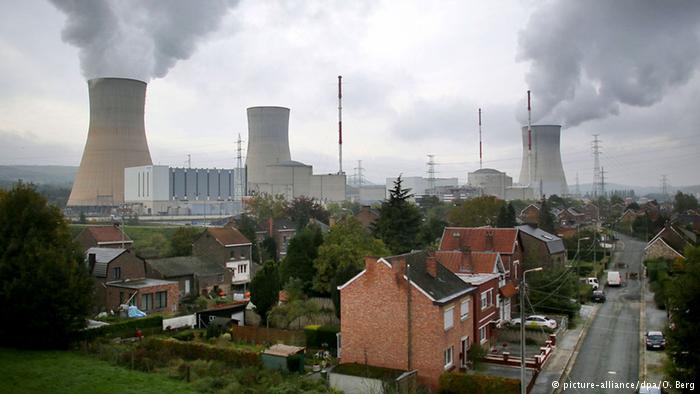
Iodine supplements - which help reduce radiation build-up in the human thyroid gland - have previously been given to people living within 20 kilometers of the troubled Tihange and Doel nuclear plants.
But because of Belgium`s relatively small size - it`s only 300 kilometers at its widest point - the expanded range would effectively cover the majority of Belgium`s 11-million-strong population.
The leader of Belgium`s French-speaking Green party, Jean-Marc Nollet, backed the iodine pill distribution scheme but added that "just because everyone will get these pills doesn`t mean there is no longer any nuclear risk," La Libre Belgique reported.
There was no mention in the proposal of including the 240,000 people in the German city of Aachen - 71 kilometers from the Tihange reactors. The close proximity of the plant has been a source of friction between Belgium and Germany which has hundreds of thousands of people living relatively close to the reactors.
Germany asked last month that the 40-year-old Tihange 2 and Doel 3 reactors be turned off "until the resolution of outstanding security issues."
Pressure vessels at both reactor sites have shown signs of metal degradation, raising fears about their safety. They were temporarily closed but resumed service last December.
Belgium`s nuclear safety agency (AFCN) rejected Berlin`s request, saying the two plants "respond to the strictest possible safety requirements."
It insists its reactors, despite technical faults and an unsolved sabotage incident, which occurred at around the time of the Brussels terrorist attacks, comply with stringent international safety standards.
More about:


-1780923278.jpg&h=190&w=280&zc=1&q=100)