The RMIT researchers say fired-clay bricks made with cigarette butts can save energy and help solve a global littering problem.
Cigarette filters have poor biodegradability and take many years to break down. Heavy metals such as arsenic, chromium, nickel and cadmium leach from the filters into soil and waterways.
"I have been dreaming for many years about finding sustainable and practical methods for solving the problem of cigarette butt pollution," says Abbas Mohajerani, a senior lecturer in RMIT`s School of Engineering.
About 6 trillion cigarettes are produced every year, leading to 1.2 million tonnes of cigarette butt waste. These figures are expected to increase by more than 50 percent by 2025, mainly due to an increase in world population.
In Australia, people smoke about 25 to 30 billion filtered cigarettes a year. Of these, about 7 billion become litter.
Mohajerani`s research team has demonstrated adding as little as 1 percent cigarette butt content can cut the energy needed to fire bricks by up to 58 percent.
Fired-clay bricks incorporated with cigarette butts were also lighter, with better insulation properties, meaning reduced household heating and cooling costs.
Scientists have found a way to build houses out of 1.2 million tonnes of discarded cigarette butts
12 June 2016
Read: 1607
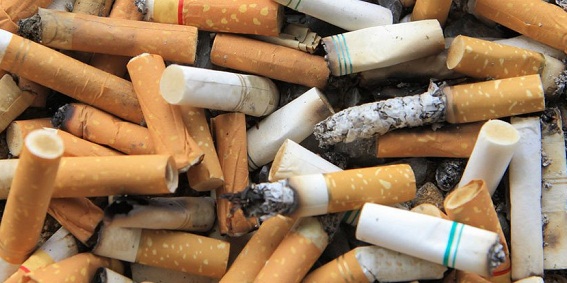
Australian scientists have found a solution to the problem of what to do with cigarette butts that are discarded in the trillions each year, AzVision.az reports citing ScienceAlert.


-1780923278.jpg&h=190&w=280&zc=1&q=100)