It follows a request by the operators of the Fukushima nuclear plant - highly radioactive after its 2011 meltdown - to keep Pokemon out of its plants.
The wildly popular Pokemon Go was released in Japan on Friday.
It superimposes virtual characters on a smartphone`s view of the real world, with players catching monsters in physical places designated "Pokestops" and training them in "gyms" .
Unlike most smartphone games, it requires players to walk around in their hunt, leading to official requests around the world for people to be kept away from locations for safety or sensitivity reasons.
The US Holocaust Memorial Museum also recently told visitors that playing the game there was "extremely inappropriate", while Auschwitz, where millions of people were murdered by the Nazis, has also banned the game.
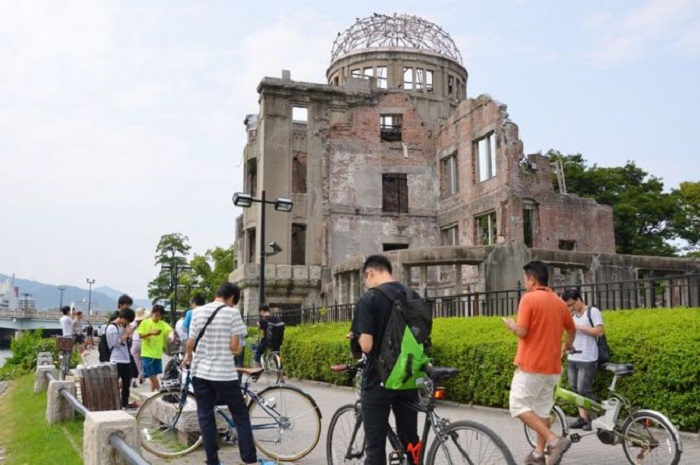
Hiroshima`s Peace Park, which includes a memorial and a museum dedicated to the 140,000 people killed in the world`s first nuclear attack, occupies a large, quiet area in an otherwise crowded city.
There are around 30 Pokestops in the park, and three "gyms", where gamers can battle other players` Pokemon, reports Japanese broadcaster NHK.
NHK quoted officials as saying this had made it hard for visitors to access the facilities and was disrupting the quiet of an area considered sacred.
Pokemon Go`s US developer, Niantic, considers requests for exclusions, but does not automatically grant them. It has not commented on this particular case.
Nagasaki, where 74,000 people were killed by an atom bomb days after Hiroshima, has also asked for Charizard, Pikachu and their friends to be removed from its peace park and museum.
More about:


-1780923278.jpg&h=190&w=280&zc=1&q=100)