The programme, ‘Technical Cooperation Facility, will aim at enhancing the competitiveness and export performance of small and medium-sized enterprises and, as a result, strengthen the country`s non-oil GDP growth and job creation. It will support modernisation of institutions, as well as the regulatory and operational environment. It will focus on capacity building to further develop skills and entrepreneurship, access to finance and internationalisation.
The initiative will also introduce alternative means of dispute resolution which will contribute to the improvement of the business environment. In addition, it will also directly benefit citizens and in particular vulnerable groups.
In addition, the programme will support the improvement of the efficiency of public expenditure and revenue collection of key financial institutions in Azerbaijan, thus increasing accountability in line with EU best practices and standards.
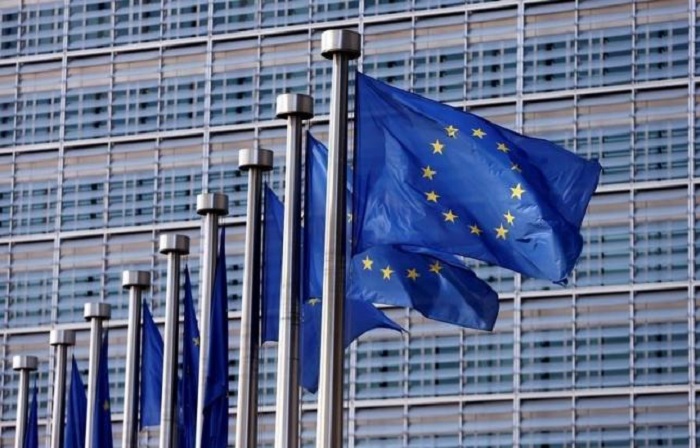
This new bilateral assistance package confirms the EU`s and Azerbaijan`s willingness to move forward in a number of areas of cooperation and will underpin the forthcoming negotiations of a new bilateral agreement.
Azerbaijan`s economy has witnessed strong growth over the last decade, making substantial progress in poverty reduction. Despite this achievement, important disparities remain, notably between the oil-rich capital agglomeration and the rest of the country, and more generally, between its urban centres and the rural areas. Economic diversification is an overriding government priority . It is also a key area to ensure economic resilience in the neighbourhood as highlighted by the review of the European Neighbourhood Policy (ENP).
The funding comes through the European Neighbourhood Instrument (ENI), the main financial and cooperation instrument through which the funding is given to the European Neighbourhood Policy (ENP) countries, including Azerbaijan.
The focus of EU assistance to Azerbaijan for the current programming period 2014-2017, as outlined in the Single Support Framework (SSF), is on three sectors: education, regional/rural development and justice.
More about:


-1780923278.jpg&h=190&w=280&zc=1&q=100)