The study, published in the journal Nature Climate Change, showed a link between the warming conditions of the Arctic, including melting of the sea ice, increase in ocean surface temperature and warming air temperatures, and the emerging pattern of severe cold winter weather.
The researchers discovered that the warming of the Arctic had some sort of intensifying effects in the position of the jet streams. Previous studies have shown that jet streams` pattern could influence severe weather conditions in different regions of the world. When the jet streams are wavy, more episodes of severe cold weather are observed in the south from the Arctic into the mid-latitude persisting for weeks at a time. On the other hand, countries within the mid-latitude experience normal winter weather when the jet streams are flowing strongly from west to east and are not wavy.
"We`ve always had years with wavy and not so wavy jet stream winds, but in the last one to two decades the warming Arctic could well have been amplifying the effects of the wavy patterns," explained Edward Hanna, a professor at University of Sheffield`s Department of Geography and co-author of the study, in a statement. "This may have contributed to some recent extreme cold winter spells along the eastern seaboard of the United States, in eastern Asia, and at times over the UK (e.g. 2009/10 and 2010/11)."
With their findings, the researchers noted that improving man`s ability to predict how climate change is affecting jet streams could improve the long-term prediction of winter weather in some regions of the world. Furthermore, better understanding of the link between the warming arctic and jet stream patterns could be beneficial for the communities, businesses, and entire economies of countries in the northern hemisphere.
Arctic warming linked to extreme cold weather in the US
28 October 2016
Read: 1549
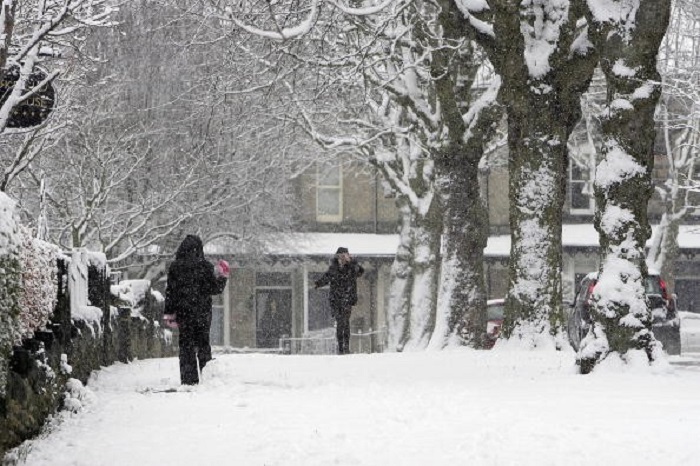
A new study by an international team of scientists revealed that the warming Arctic caused by climate change may have contributed to the severe cold weather that hit the United States and United Kingdom in 2014 and 2015.


-1780923278.jpg&h=190&w=280&zc=1&q=100)