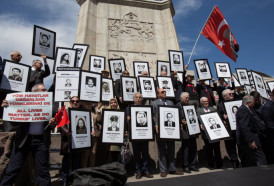
Kenyan Interior Minister Joseph Nkaissery said Nairobi`s decision to push the closure deadline back to May 2017 followed a delay request from the UNHR refugee agency.
Kenya had previously adopted a hard-line stance, claiming that Shabaab Islamists from Somalia had sought recruits in the camp and used it as a hub for extremist attacks.
The previous deadline had been due to expire in two weeks` time.
Nkaissey denied that Kenya had been coercing refugees to return to war-torn Somalia, saying that repatriations would continue in a "safe and dignified manner."
Over the past six months, 16,000 people were repatriated. Some 262,000 refugees remained at Dadaab, he added. Some residents have lived for 25 years at Dadaab.
Forcibly transferred
The Associated Press reported it had been told be returnees that they had been forcibly transferred to Somalia, where they risked being killed and faced food shortages.
Human Rights Watch (HRW) researcher Gerry Simpson, said Kenya should reassure Somali refugees that they were welcome.
"Such coerced returns are illegal," Simpson said.
HRW in a report published September concluded that repatriations from Dadaab violated international standards.
Amnesty International also said in a statement that while it welcomed the decision to extend the deadline "thousands of refugees remain at risk of forced repatriation."
Since sending troops into neighboring Somalia in 2011, Kenya has come under repeated attack from Sabaab.
Kenya delays closure of world`s largest refugee camp
18 November 2016
Read: 1317
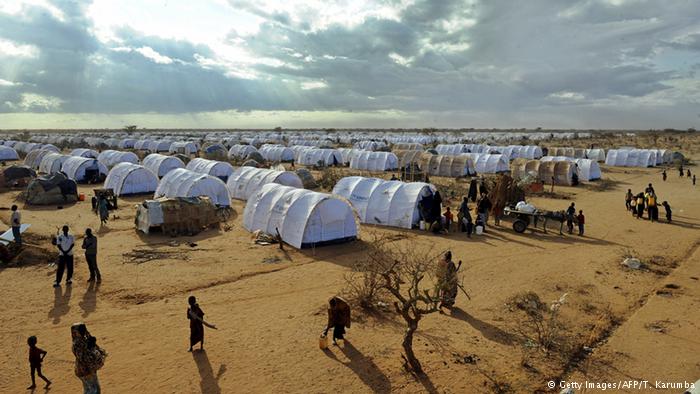
Kenya said it agreed to a UN plea to delay the closure of the Dadaab refugee camp by an additional six months. The world`s largest refugee camp accommodates 260,000 people, mostly Somalis.


-1780923278.jpg&h=190&w=280&zc=1&q=100)