Of the 442 women in a U.S. Zika registry who had completed their pregnancies, 26 of their babies had one or more birth defect thought to be linked with Zika infection during pregnancy, according to the study published in the Journal of the American Medical Association.
A total of 18 of the fetuses or babies had microcephaly, meaning an abnormally small-sized head, which often signifies arrested brain development. Once considered a mild, mosquito-borne infection, Zika has been linked with thousands of cases of birth defects in Brazil and elsewhere.
The birth defects occurred among fetuses or babies of pregnant women from the United States who were exposed to Zika in places where the virus was spreading, researchers from the U.S. Centers for Disease Control and Prevention reported.
CDC Director Dr. Thomas Frieden said the study is important because it shows the rate of microcephaly and other fetal malformations among babies born to women in the United States is similar to the estimated rate of infections in Brazil.
"Zika poses a real risk throughout pregnancy, but especially in the first trimester; it`s critical that pregnant women not travel to areas where Zika is spreading," Frieden said in a statement.
In the study, 11 percent of the 442 women infected during the first trimester had fetuses or babies with birth defects.
The study also shed light on whether babies whose mothers had Zika symptoms were more likely to be affected than those who had lab evidence of infection but no symptoms.
In the study, whether a pregnant woman had symptoms of Zika infection did not seem to matter. The researchers found the same proportion of pregnancies with birth defects regardless of whether the mother showed symptoms.
The finding is significant because only one in five people infected with the mosquito-borne Zika virus ever develop symptoms, meaning many pregnant women who become infected likely would never know it.
Locations where the women in the study were infected include Barbados, Belize, Brazil, Colombia, Dominican Republic, El Salvador, Guatemala, Haiti, Honduras, Mexico, Republic of Marshall Islands and Venezuela.
There is no vaccine or treatment for Zika.
Birth defects seen in 6 percent of Zika pregnancies, US study finds
15 December 2016
Read: 1218
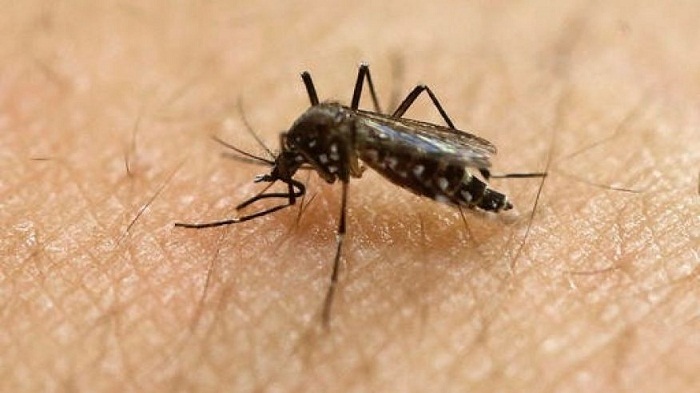
Roughly six percent of women in the United States who were infected with the Zika virus during pregnancy had fetuses or babies with birth defects, U.S. researchers reported on Wednesday.


-1780923278.jpg&h=190&w=280&zc=1&q=100)