The Civitas report suggests that billions could be spent on subsidies and aid within World Trade Organisation rules to help firms as they adapt to the imposition of tariffs on trade with the EU.
The package could include £2.9 bn to support research and development and a £3.8 bn programme of regional aid along with a scheme to offer small, discretionary grants to any firm affected by Brexit.
The paper also recommended abolishing the carbon price floor mechanism, which is a UK Government policy implemented to support the EU-wide Emissions Trading System, which places a price on greenhouse gas emissions.
The report said the package would benefit industries affected by tariffs to the value of £6.3 bn a year, more than compensating for the newly-imposed costs to those industries which the think tank has previously estimated as £5.2 bn.
The total cost to the Treasury, including "leakage" to non-affected industries and households, would be £8.8 bn - which the report claimed would be easily covered by the £12.9 bn collected in tariffs on EU imports into the UK.
Report author William Norton said the paper showed that the UK had "little to fear" if the remaining 27 EU nations refused to strike a deal for tariff-free trade.
"Hitherto, the political debate about the UK`s departure from the EU has focused upon the risks of a `hard` Brexit and the need to soften this by avoiding costs for business such as tariffs being levied upon exports to the EU27.
"But these tariff costs can be managed. In an ideal world, British exporters would not have to suffer them, but it is possible to mitigate their impact through other measures which are justifiable in their own right.
`It makes sense to remove a self-inflicted wound like the carbon price floor, which is damaging British competitiveness and low-income households.
"It makes sense to provide greater tax incentives for research and development. A case can be made for regional aid given the imbalances in economic performance and employment across the UK as a whole.
`Hence, the real question is not `how soft a Brexit can we achieve` but rather `how hard a negotiation do we wish to drive with the EU`.
"The balance of negotiating strengths is far more favourable to the UK. If the EU27 wish to impose a self-inflicted wound by levying tariffs on British exports, Britain has little to fear."
/The Independent/
Brexit could leave Government with £9bn black hole if trade deal fails
09 January 2017
Read: 1662
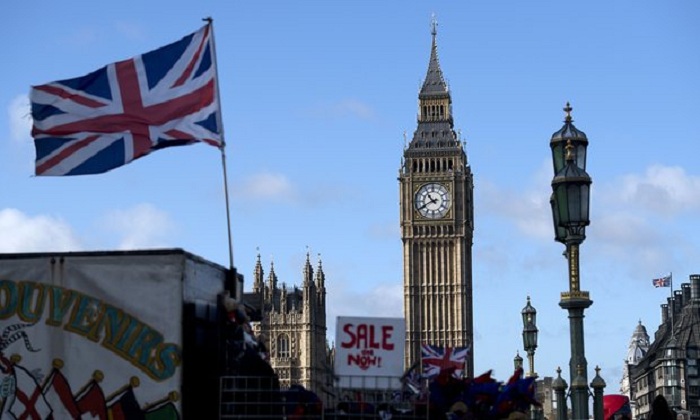
The Government would need to provide almost £9 bn in support for businesses to cope with the impact of failing to strike a post-Brexit trade deal with the European Union - but the cost could be covered by tariffs on imports from the remaining 27 members of the bloc, a think tank has said.


-1780923278.jpg&h=190&w=280&zc=1&q=100)